
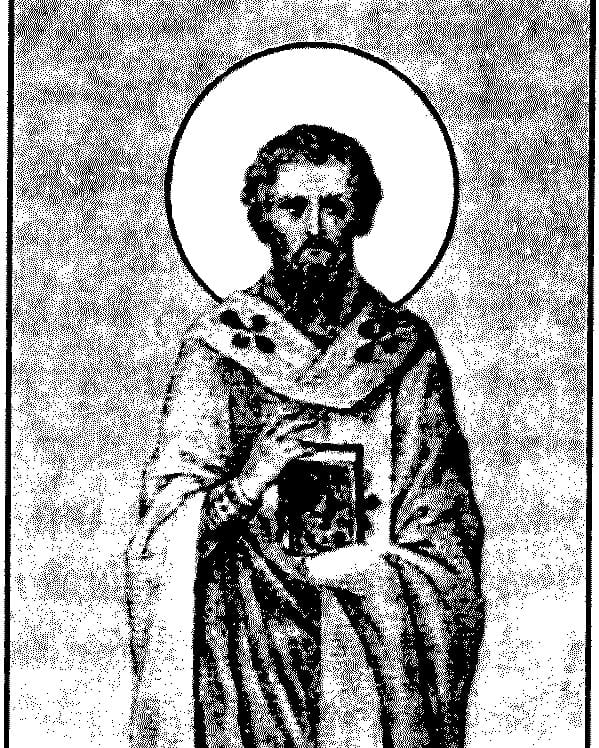
St. Alexander of Comana
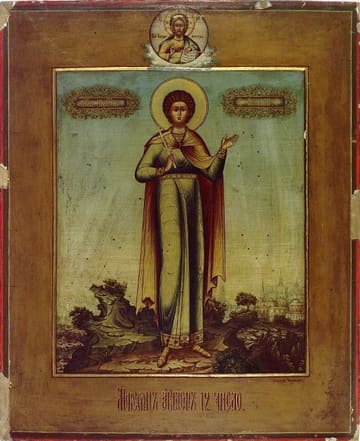
He lived as a simple charcoal-burner in the city of Comana near Neocaesarea. When the Bishop of Comana died, Saint Gregory the Wonderworker of Neocaesarea (see November 17) was invited to preside over the council for the election of a new bishop. In the council there were both clergy and laity. And in no way could the electors agree on a single person. In evaluating the candidates, all kept dwelling on the assessment of their outward appearance, external dignity, and comportment. Saint Gregory then said that they ought not to look so much at outward qualities as at the spirit and spiritual abilities of a candidate. Then certain jesters mockingly cried out: "Then let us elect Alexander the charcoal-burner as bishop!" And there arose general laughter. Saint Gregory asked who this Alexander was. Thinking that his name had not been mentioned in the council without God's Providence, he ordered that Alexander be brought before the council. The charcoal-burner, true to his trade, was all covered in soot and in tattered rags. His appearance again provoked laughter in the council. Then Gregory drew him aside and adjured him to tell the truth about himself. And Alexander told him that he had been a Greek philosopher, that he had enjoyed high honor and position, but that he had cast it all aside, humbled himself, and made himself a fool for Christ ever since he had read and understood Holy Scripture. Gregory ordered that they wash him and dress him in new garments, and with him entered the council, and before everyone began to examine him in Holy Scripture. All marveled at the wisdom and words of grace of Alexander, and they could scarcely recognize in this wise man the formerly silent charcoal-burner. He was unanimously elected bishop. By his holiness, wisdom, and kindness he won the love of his flock. He ended his life as a martyr for Christ in the time of Diocletian.
From the Prologue from Ochrid, translated by Marcian Sakarya, OCHRID.COM. CC BY-SA 4.0.
Sources
- The Prologue from Ochrid, August 12, translated by Marcian Sakarya, OCHRID.COM (https://ochrid.com), CC BY-SA 4.0
No recorded sayings. Read the Life to meet this saint.
Troparion · Tone 4
Partaker of the apostles' ways and successor to their thrones, you found in action, O God-inspired one, the way up to contemplation. Therefore you rightly handled the word of truth and contended also for the faith to the point of bloodshed, O Hieromartyr Alexander. Intercede with Christ our God that our souls may be saved.
Translated for Axios! from the Greek General Menaion (the common troparion of a hieromartyr)
Kontakion · Tone 4
Having shone in piety among the priests and run the road of martyrdom to its end, you quenched the worship of idols, becoming the champion of your flock, O godly-minded one. And so the flock honors you and cries to you in mystery: From dangers deliver me at all times by your intercessions, O our father Alexander.
Translated for Axios! from the Greek General Menaion (the common kontakion of a hieromartyr)
Saints around August 12
Get the full library
770+ saints, in your pocket
Their Lives, sayings and prayers, A to Z and by feast, with search. The Church calendar, the holy icons, and the saying of the day on your Home Screen. All in Axios! for iPhone, iPad and Android.