
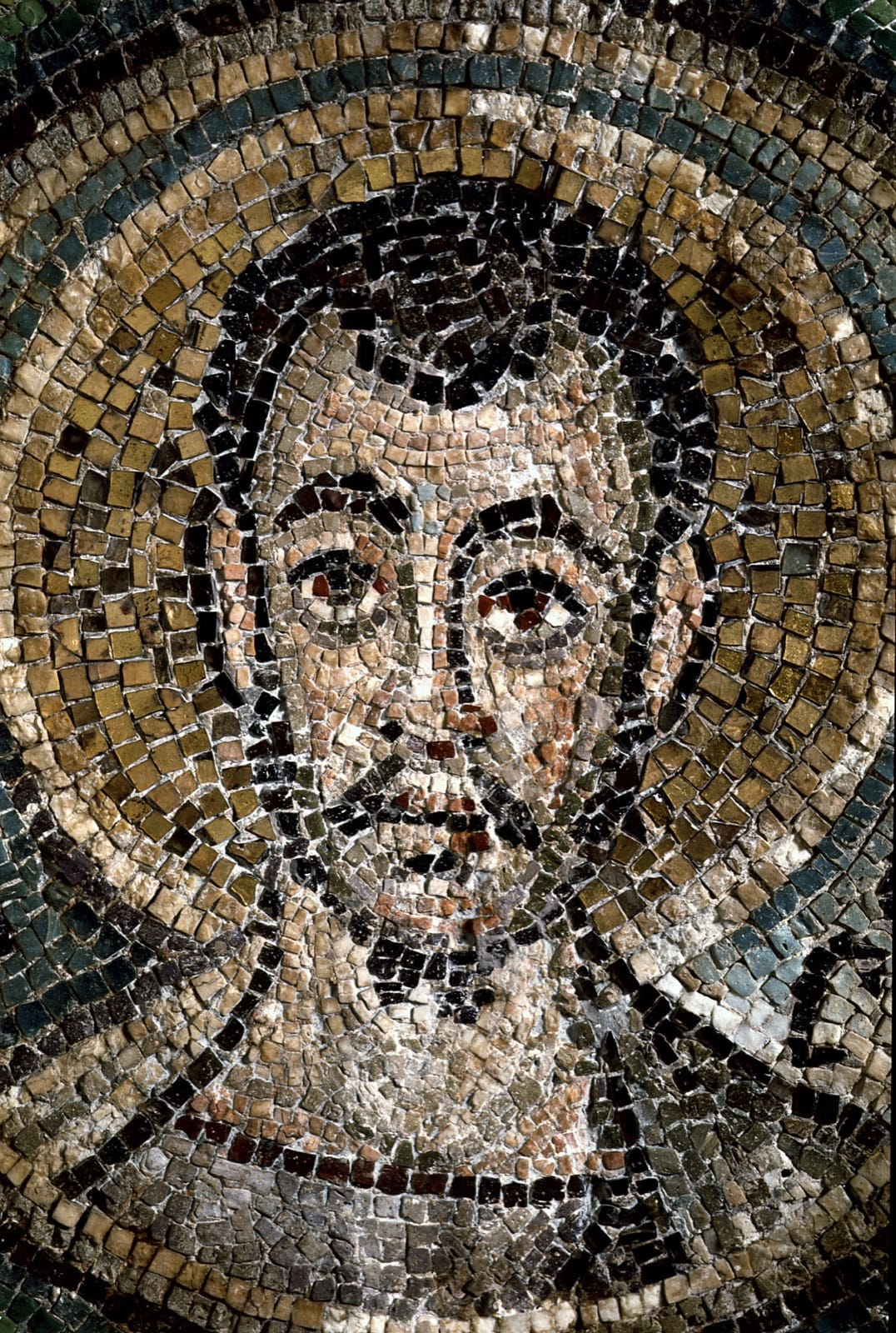
St. Jude the Apostle, Brother of the Lord
St. Jude, the Brother of the Lord, is honored by the Orthodox Church as one of the Twelve, a kinsman of Christ according to the flesh, and the author of the short Epistle that urges believers to "contend earnestly for the faith which was once for all delivered to the saints" (Jude 3).
The Gospels name a Judas among the Lord's "brothers" (Matthew 13:55; Mark 6:3), whom Byzantine tradition holds to be sons of St. Joseph the Betrothed from an earlier marriage. They did not believe in Jesus at first (John 7:5), but after the Ascension they prayed with the apostles (Acts 1:14). The author of the Epistle calls himself "brother of James" (Jude 1), that is, of St. James the Brother of the Lord.
Luke lists among the Twelve a Judas "of James" (Luke 6:16), where Matthew and Mark name Thaddaeus, and at the Last Supper this "Judas (not Iscariot)" asked why the Lord would reveal Himself to the disciples and not to the world (John 14:22). Origen already suggested that Judas of James and Thaddaeus were one man, and the Synaxarion of Constantinople (10th century) identifies him with the Brother of the Lord and the author of the Epistle. The Greek and Slavic Churches keep this single memory on June 19, though many modern scholars distinguish these figures.
The Church also distinguishes him from St. Thaddeus of the Seventy (August 21). Eusebius, drawing on the archives of Edessa, writes that after the Ascension St. Thomas sent Thaddeus, "numbered among the seventy disciples," to heal King Abgar and preach in that city (Church History I.13). St. Jerome and later writers credited this mission to the apostle Jude-Thaddaeus, and the West merged the two, but the Orthodox calendar keeps them apart, with different feasts.
Accounts of his later labors conflict. The Synaxarion and the Menologion of Basil II say that he preached in Mesopotamia and at Edessa and died at a place they call Arat or Ararat, hanged or crucified and shot with arrows; other lists name Beirut or Edessa. Firmer is the word of the second-century historian Hegesippus: under Emperor Domitian (81-96) the grandsons of Jude, "said to have been the Lord's brother according to the flesh," were brought before the emperor as descendants of David, showed him their laborers' hands, and confessed that Christ's kingdom is heavenly (Eusebius, Church History III.20).
His Epistle, received among the Catholic Epistles, warns against false teachers and closes with one of the great doxologies of the New Testament. The Church keeps his feast on June 19 and remembers him with the Twelve on June 30.
Sources
- Matthew 13:55; Luke 6:16; John 7:5; 14:22; Acts 1:13-14; the Epistle of Jude
- Hegesippus, in Eusebius, Church History III.19-20; Eusebius, Church History I.13
- Greek Menaion and Synaxarion, June 19 and August 21; Church Slavonic Menaion, June 19
- OCA, Lives of the Saints: Apostle Jude the Brother of the Lord; Apostle Thaddeus of the Seventy
- Pravoslavnaya Entsiklopediya, 'Iuda'
May mercy, peace, and love be multiplied to you.
Jude 1:2 (WEB)
Beloved, while I was very eager to write to you about our common salvation, I was constrained to write to you exhorting you to contend earnestly for the faith which was once for all delivered to the saints.
Jude 1:3 (WEB)
You, beloved, keep building up yourselves on your most holy faith, praying in the Holy Spirit. Keep yourselves in God's love, looking for the mercy of our Lord Jesus Christ to eternal life.
Jude 1:20-21 (WEB)
On some have compassion, making a distinction, and some save, snatching them out of the fire with fear, hating even the clothing stained by the flesh.
Jude 1:22-23 (WEB)
Now to him who is able to keep them from stumbling, and to present you faultless before the presence of his glory in great joy, to God our Savior, who alone is wise, be glory and majesty, dominion and power, both now and forever. Amen.
Jude 1:24-25 (WEB)
Lord, what has happened that you are about to reveal yourself to us, and not to the world?
John 14:22 (WEB), words of 'Judas (not Iscariot)', whom the Church identifies with St. Jude
Troparion · Tone 3
O holy Apostle Jude, intercede with God, who is merciful, that He may grant to our souls the forgiveness of their trespasses.
Translated for Axios! from the Greek Menaion, June 19
Kontakion · Tone 1
From a glorious root you sprang up for us as a God-given vine branch, O eyewitness of the Lord, O Apostle and brother of God, all-wise herald of Christ. You feed the whole world with the fruit of your words, teaching the Orthodox faith of the Lord as one initiated into grace.
Translated for Axios! from the Greek Menaion, June 19
Troparion · Tone 1
Knowing you, O Jude, as a kinsman of Christ and a steadfast martyr, we praise you in holiness, for you trampled on error and kept the faith. Therefore, as we celebrate today your all-holy memory, we receive through your prayers the loosing of our sins.
Translated for Axios! from the Greek (the proper troparion of June 19, also in the Church Slavonic Menaion)
Saints around June 19
Get the full library
770+ saints, in your pocket
Their Lives, sayings and prayers, A to Z and by feast, with search. The Church calendar, the holy icons, and the saying of the day on your Home Screen. All in Axios! for iPhone, iPad and Android.