
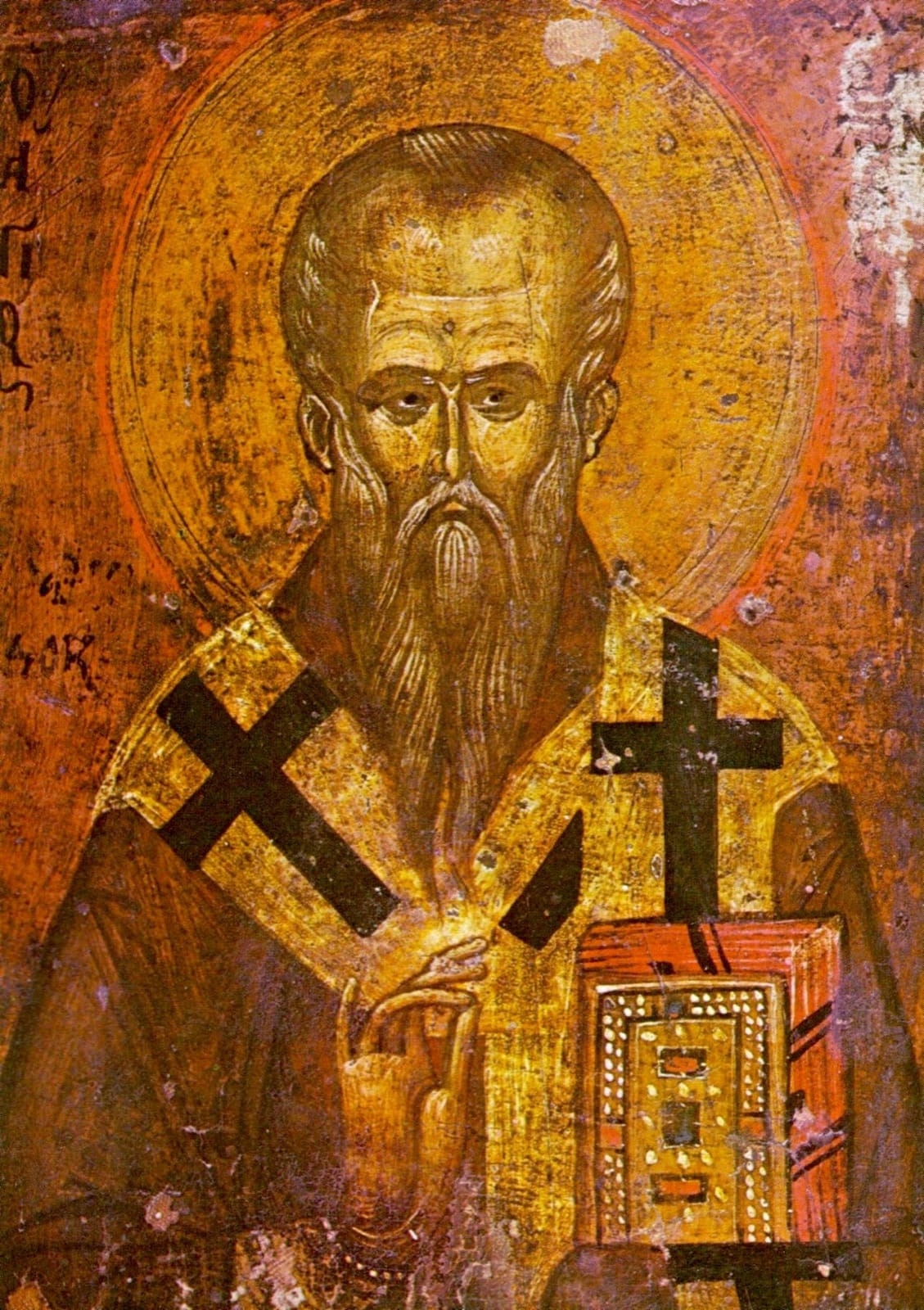
St. Clement of Ohrid
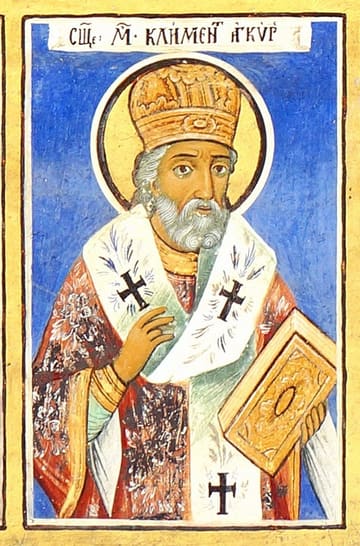
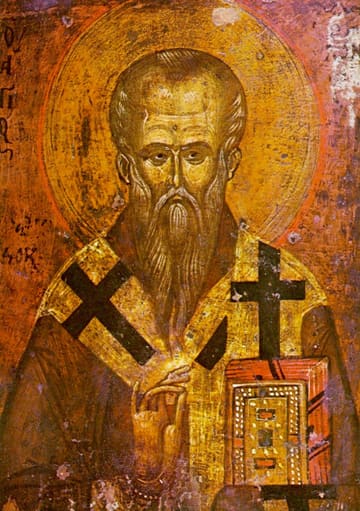
St. Clement of Ohrid, a disciple of St. Cyril and St. Methodius, is honored as Equal-to-the-Apostles and as one of the founders of Slavic Christian letters.
When his teachers' mission in Moravia was crushed, he carried their work to Bulgaria, where he taught thousands, wrote some of the first sermons composed in Slavonic, and became the first bishop to serve his people in their own tongue.
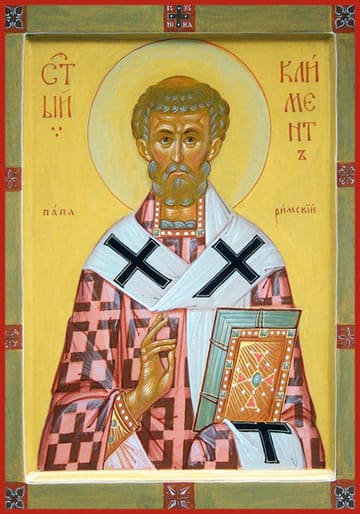
He was a Slav, probably from the lands around Thessaloniki, and followed the holy brothers from his youth, sharing their mission in Great Moravia from 863; he was likely among the disciples ordained priests in Rome in 867. His monastic name probably honors St. Clement of Rome, whose relics St. Cyril had found. After St. Methodius reposed in 885, the clergy who opposed the Slavonic liturgy had his disciples imprisoned, beaten and driven out. Clement, with Gorazd, Naum, Sava and Angelarius, made his way to Belgrade, then a Bulgarian fortress, and its governor sent them on to Prince Boris, who received them with joy.
Boris sent Clement to Kutmichevitsa, the southwest of his realm around Devol and Ohrid. There, according to the Life written by Archbishop Theophylact of Ohrid, he trained some 3,500 disciples, teaching children their letters and preparing men for the priesthood. In 893 or 894 Tsar Symeon made him bishop of Dremvitsa, or Velika, the first bishop "of the Bulgarian tongue."
He founded the monastery of St. Panteleimon in Ohrid, wrote plain sermons for every feast so that the simplest listener could understand, composed canons and services, and helped prepare the Slavonic service books. A later tradition credits him with the Cyrillic alphabet, named for his teacher, though many scholars think he wrote in Glagolitic.
In old age he asked Symeon to release him from his see, but the tsar refused, and Clement returned to his monastery and his books, completing, it is said, the hymns sung from Thomas Sunday to Pentecost. He reposed on July 27, 916, the feast of St. Panteleimon, and was laid in the tomb he had prepared in his monastery. His relics, moved in Ottoman times to the church of the Theotokos Peribleptos, returned to the restored St. Panteleimon in 2002; his head is kept at the skete of the Forerunner near Veria in Greece. The Bulgarian Church keeps his memory on July 27, with the Seven Holy Teachers, and on November 25, his name day, and Sofia's university bears his name.
Sources
- Pravoslavnaya Entsiklopediya, 'Kliment Okhridsky' (with the Life by Archbishop Theophylact of Ohrid)
- Hieroschemamonk Kalistrat Zografski, Service to St. Clement, Archbishop of Ohrid, for July 27 and November 25 (Sofia, 1901)
- Church Slavonic Menaion, July 27: service to the Seven Holy Equals-to-the-Apostles, Enlighteners of the Slavs
- Pravoslavnaya Entsiklopediya, 'Sedmochislenniki'
No recorded sayings. Read the Life to meet this saint.
Troparion · Tone 4
By your words you guided the nations to the faith of God, and by your deeds, O most blessed one, you raised yourself to the divine life that knows no sorrow. Shining with miracles on those who come to you in faith, you gloriously enlighten the West with signs. Therefore, O Clement, we glorify your divine memory.
Translated for Axios! from the Church Slavonic service of July 27 (Kalistrat Zografski, Sofia, 1901)
Kontakion · Tone 3
Your church, O holy one, is gloriously shown to be a spiritual remedy for those who come to it in faith, for it frees them from illnesses of every kind and lulls to rest all the passions of their souls. Therefore, O all-blessed one, we inscribe you as our fervent protector.
Translated for Axios! from the Church Slavonic service of July 27 (Kalistrat Zografski, Sofia, 1901)
Saints around July 27
Get the full library
770+ saints, in your pocket
Their Lives, sayings and prayers, A to Z and by feast, with search. The Church calendar, the holy icons, and the saying of the day on your Home Screen. All in Axios! for iPhone, iPad and Android.